 Daily
Coming Back to When A Supplement Is Not The Answer, Day by Day
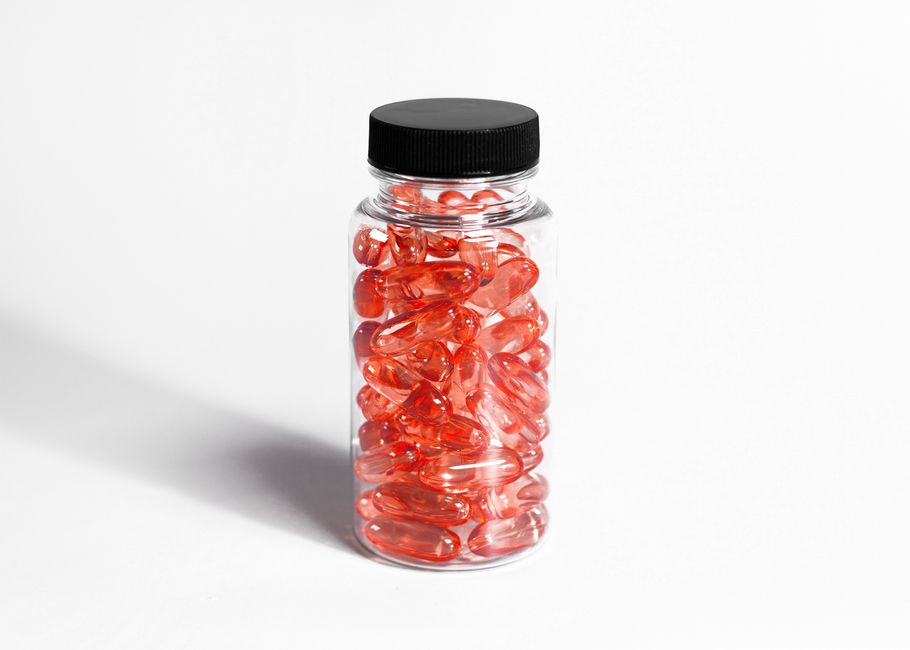
There is a lot of noise around when a supplement is not the answer, so this guide keeps things simple and practical. The focus is on habits you can actually keep, not a short-lived push. Here is a grounded, practical look at when a supplement is not the answer that fits into a real, busy life.
Why this matters
The key point is that tiredness illustrates the problem well. It is the most common reason for buying something, and its most common causes are short sleep, an under-fuelled day, low activity, unmanaged stress, and an untreated medical condition. A capsule addresses none of those, and taking one can delay the moment when the real cause is examined.
It helps to focus on what you can realistically do most days, rather than an ideal you can only manage occasionally.
The basics, made simple
Worth keeping in mind: the same applies to digestive complaints, where the frequent culprits are low fibre, rushed eating, alcohol, or a specific food, and to low mood, where isolation, daylight, and workload typically explain more than any nutrient. This is not an argument that supplements never support; it is an argument for establishing the cause first.
If you remember only one thing here, let it be that steady, repeatable habits beat short bursts of effort.
How it fits into daily life
More often than not, there are also situations where taking something without advice is genuinely unwise: during pregnancy, alongside prescribed medication, before surgery, with a diagnosed liver or kidney condition, or for a child. Interactions are real and sometimes serious, and herbal products are not exempt because they are described as natural.
Small changes like these are easy to underestimate, yet they are exactly what add up over months and years. Trusted resources such as MedlinePlus (National Institutes of Health) cover this in more depth.
What tends to work
The key point is that a reasonable rule keeps the cost of being wrong low. Change one thing at a time, know why it was chosen, give it a defined trial rather than an indefinite one, and be willing to stop. A cupboard filling up with half-used bottles is usually a sign that the question was never answered.
What matters most is fitting this around your real routine, so it becomes something you barely have to think about.
Small changes that add up
On a day-to-day level, there is a recognisable pattern in how many people arrive at a supplement. Something feels wrong — energy, sleep, digestion, mood — and the search for a cause returns a product before it returns a question. The product is easier to act on than the question, which is exactly why it is chosen.
If you remember only one thing here, let it be that steady, repeatable habits beat short bursts of effort.
Practical tips
A few simple things tend to help:
- Ask for a little support from someone around you when you can.
- Notice what works for you personally, since everyone responds a little differently.
- Anchor a new habit to something you already do each day, like your morning coffee.
- Give any change a few weeks before judging whether it is helping.
The bottom line
Keep it simple, be patient with yourself, and let small changes add up. None of this needs to be perfect. A few steady habits, kept up over time, tend to do far more than any short-lived effort.
Frequently asked questions
Is this relevant if I'm just starting out?
Yes. You can begin with one small change and build from there. With when a supplement is not the answer, steady progress beats trying to do everything at once.
Is this suitable for busy people?
Yes. Most of the ideas here fold into things you already do each day, so they take little extra time.
How long before I notice a difference?
It varies from person to person. Give any new habit a few weeks of consistency before deciding whether it is working for you.
Do I need special equipment or money?
No. Most of what helps is free or low-cost, and the simplest options are usually the ones people stick with.