 Daily
Daily Cooking As A Health Habit: A Simple Checklist
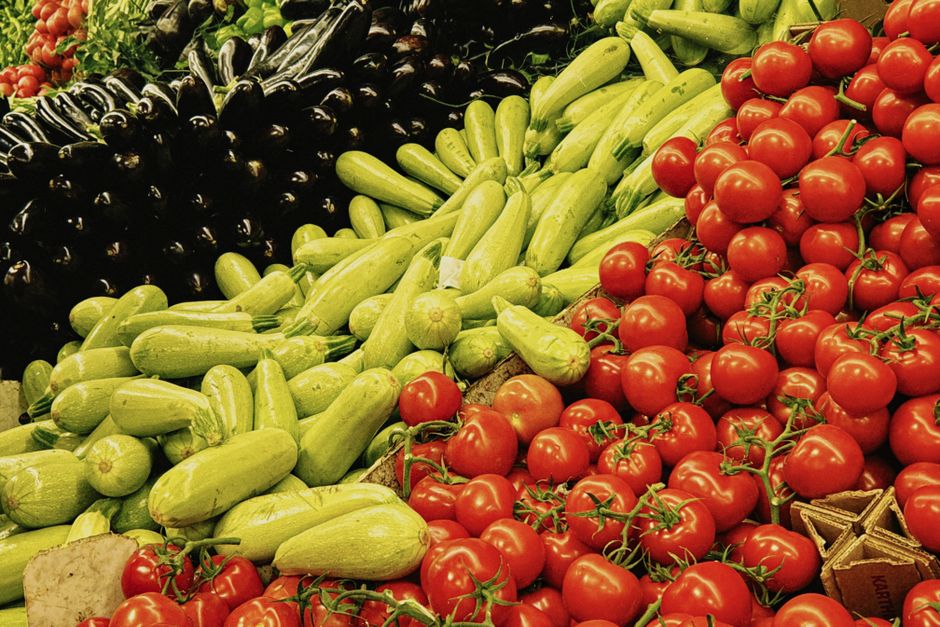
Getting cooking as a health habit right is less about willpower and more about setting up your day sensibly. Think of it as gentle maintenance rather than a strict programme. Here is a grounded, practical look at cooking as a health habit that fits into a real, busy life.
Why this matters
The key point is that batch cooking is commonly oversold as a weekend project and undersold as a minor habit. Making slightly more than is needed, most times something is cooked, produces the same result with none of the ceremony.
Give yourself room to be imperfect here; a missed day is an event, not a reason to give up.
The basics, made simple
More often than not, there is a social dimension too, easy to overlook in a discussion of nutrients. Meals eaten with other people tend to be slower, more varied, and better remembered. Cooking is one of the few health habits that improves something beyond health, which is a large part of why it lasts.
The practical takeaway is to keep cooking as a health habit simple enough that it survives a busy week, not just a good one.
How it fits into daily life
The strongest predictor of a decent diet is not knowledge of nutrition but whether someone cooks. Cooking shifts the ingredients, the portion, the pace of eating, and the cost, all at once, without any of it requiring a decision about macronutrients. For a closer look, see illuderma.
What tends to work
Worth keeping in mind: the obstacle is rarely skill. It is time, energy at seven in the evening, and the sense that a proper meal requires a plan. Each of those responds to lowering the ambition: a repertoire of six meals that can be made without a recipe is worth more than an aspiration to cook well.
It helps to focus on what you can realistically do most days, rather than an ideal you can only manage occasionally. This aligns with information from MedlinePlus, from the U.S. National Institutes of Health.
Small changes that add up
In practice, a minor set of habits carries most of the benefit. Keeping a stocked cupboard of tins, pulses, grains, and frozen vegetables so that a meal is always possible. Cooking once and eating twice. Preparing components rather than complete dishes — a pot of grains, a tray of roasted vegetables — that can be assembled quickly.
None of this has to happen all at once; even one small adjustment in this area tends to pay off over time.
Practical tips
A few simple things tend to help:
- Notice what works for you personally, since everyone responds a little differently.
- Protect your sleep, since it quietly makes everything else easier.
- Aim for good enough on busy days instead of skipping entirely.
- Anchor a new habit to something you already do each day, like your morning coffee.
The bottom line
None of this needs to be perfect. Take it one small step at a time. Consistency, not intensity, is what makes the difference in the long run.
Frequently asked questions
Do I need special equipment or money?
No. Most of what helps is free or low-cost, and the simplest options are usually the ones people stick with.
How long before I notice a difference?
It varies from person to person. Give any new habit a few weeks of consistency before deciding whether it is working for you.
Is this suitable for busy people?
Yes. Most of the ideas here fold into things you already do each day, so they take little extra time.
What is the single most important thing to focus on?
Consistency. A modest routine you actually keep beats an ambitious plan you abandon after a week.