 Daily
Daily Health Through The Seasons as the Years Add Up, in Plain Language
When time is tight, health through the seasons works best as small actions folded into what you already do. Think of it as gentle maintenance rather than a strict programme. Below, we break health through the seasons down into clear, manageable pieces you can act on today.
The time-poor reality
It helps to remember that winter reduces daylight, which affects sleep timing and, for some, mood. Movement contracts indoors. Appetite usually shifts toward denser food, which is neither a moral failing nor a coincidence. Social contact requires more effort because the environment discourages spontaneous gathering. The reasonable responses are correspondingly specific: seeking morning light even when it is grey, planning social contact rather than waiting for it, accepting that a walk in the cold still counts.
If you remember only one thing here, let it be that steady, repeatable habits beat short bursts of effort.
Quick wins that fit any schedule
Put simply, spring and summer offer the opposite conditions and their own hazards. Long evenings erode sleep. Heat makes hydration matter more. The abundance of activity can produce a schedule with no rest in it.
None of this has to happen all at once; even one small adjustment in this area tends to pay off over time.
Habits that take seconds
More often than not, autumn is transitional and often where routines quietly lapse — the summer pattern no longer works and the winter one has not been established.
None of this has to happen all at once; even one small adjustment in this area tends to pay off over time.
Doing less, but consistently
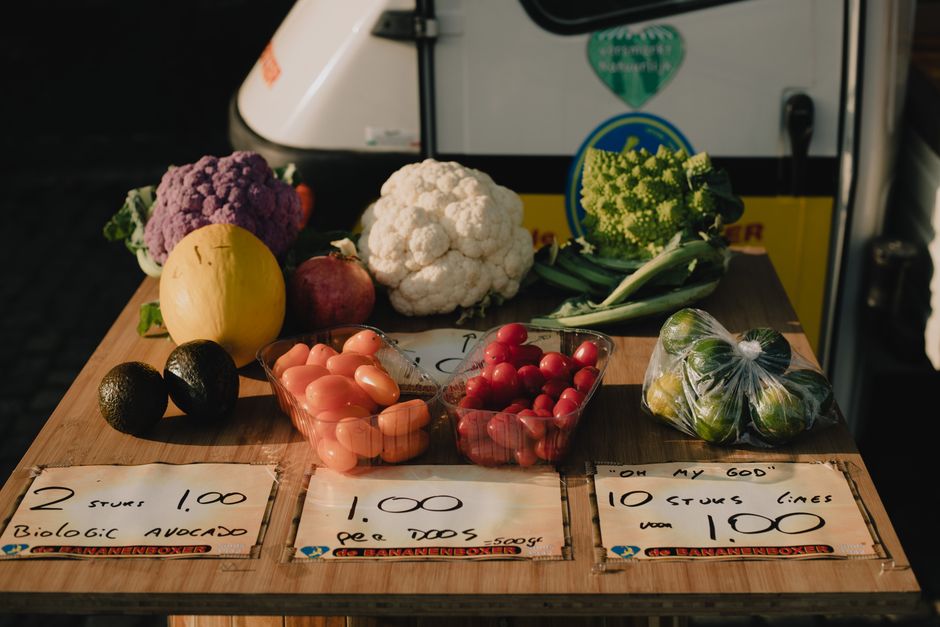
More often than not, working with these rhythms rather than against them is simply realism. Training loads can rise when conditions favour them and fall when they do not. Food can follow what is in season, which tends to be cheaper and better anyway. Expectations can adjust: a winter that maintains health without improving it is a successful winter. MedlinePlus, from the U.S. National Institutes of Health provides reliable, up-to-date information on this topic.
None of this has to happen all at once; even one small adjustment in this area tends to pay off over time.
Protecting the little time you have
There is a broader principle here. Health advice is generally written as though circumstances were uniform. They never are — across a year, across a life, across a week. The capacity to adapt the pattern without abandoning it is the skill that distinguishes many people who remain well over decades from people who are well in favourable conditions only.
Making it automatic
Health is not experienced at a constant rate across the year. Light changes, temperature shifts, food availability shifts, and behaviour follows. Ignoring this and expecting an identical routine in December and June guarantees a sense of failure for half the year.
Small changes like these are easy to underestimate, yet they are exactly what add up over months and years.
Practical tips
Some practical points to keep in mind:
- Aim for good enough on busy days instead of skipping entirely.
- Give any change a few weeks before judging whether it is helping.
- Start small and stay consistent rather than aiming for a dramatic change.
- Protect your sleep, since it quietly makes everything else easier.
The bottom line
The best approach is the one you can keep going with. Keep it simple, be patient with yourself, and let small changes add up. That is usually all it takes.
Frequently asked questions
Is this suitable for busy people?
Yes. Most of the ideas here fold into things you already do each day, so they take little extra time.
What is the single most important thing to focus on?
Consistency. A modest routine you actually keep beats an ambitious plan you abandon after a week.
Is this relevant if I'm just starting out?
Yes. You can begin with one small change and build from there. With health through the seasons, steady progress beats trying to do everything at once.
Do I need special equipment or money?
No. Most of what helps is free or low-cost, and the simplest options are usually the ones people stick with.