 Daily
One Week of Focusing on Why Fibre Helps You Feel Full, Day by Day
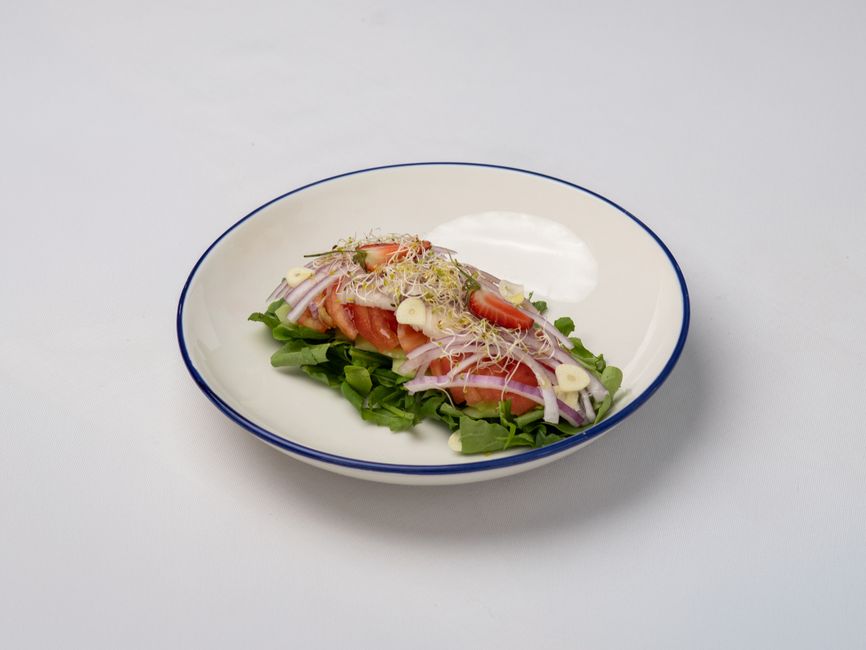
When why fibre helps you feel full does not go to plan, the reason is usually one of a few familiar traps. The aim here is to keep things realistic and easy to sustain. Let's look at what actually matters with why fibre helps you feel full, and what you can safely ignore.
The all-or-nothing trap
Put simply, blood sugar behaves differently too. Soluble fibre forms a gel that slows the absorption of sugars, flattening the rise after a meal and, with it, the slump and renewed hunger that usually follow. Combining a starch with vegetables and protein at the same meal produces a similar effect.
If you remember only one thing here, let it be that steady, repeatable habits beat short bursts of effort.
Trying to change too much at once
In practice, most people eat well under the recommended amount, and the gap is easy to close without any special products. Beans or lentils added to an existing dish, the skins left on potatoes, wholegrain versions of bread and pasta, fruit instead of juice, a handful of nuts. None of these are new foods; they are the ordinary versions of foods already being eaten.
The goal is progress you can maintain, not perfection you have to chase and eventually abandon.
Ignoring the basics
It helps to remember that one caution makes the transition comfortable: increase gradually and drink enough water. A sudden jump from a low-fibre diet to a high one produces bloating and wind, which is usually blamed on the food rather than on the speed of the change.
It helps to focus on what you can realistically do most days, rather than an ideal you can only manage occasionally. You can read more from MedlinePlus (National Institutes of Health).
Copying someone else's plan
Put simply, fibre is the part of plant food that survives digestion largely intact, and its usefulness comes from precisely that. It adds bulk without adding much energy, it slows the passage of a meal, and it feeds the bacteria in the large intestine, which is a job no other component of food performs.
How to get back on track
Worth keeping in mind: fullness is the effect people notice first. Fibrous food takes longer to chew, occupies more room in the stomach, and leaves it more slowly, so a meal built around vegetables, pulses, and wholegrains keeps hunger away for longer than the same energy delivered in a refined form. The comparison between an apple and a glass of apple juice makes the point without needing numbers.
The goal is progress you can maintain, not perfection you have to chase and eventually abandon.
Practical tips
Some practical points to keep in mind:
- Keep the useful option easy to reach and the tempting one a little harder.
- Give any change a few weeks before judging whether it is helping.
- Start small and stay consistent rather than aiming for a dramatic change.
- Anchor a new habit to something you already do each day, like your morning coffee.
The bottom line
Take it one small step at a time. None of this needs to be perfect. A few steady habits, kept up over time, tend to do far more than any short-lived effort.
Frequently asked questions
Is this relevant if I'm just starting out?
Yes. You can begin with one small change and build from there. With why fibre helps you feel full, steady progress beats trying to do everything at once.
What is the single most important thing to focus on?
Consistency. A modest routine you actually keep beats an ambitious plan you abandon after a week.
Do I need special equipment or money?
No. Most of what helps is free or low-cost, and the simplest options are usually the ones people stick with.
Is this suitable for busy people?
Yes. Most of the ideas here fold into things you already do each day, so they take little extra time.