 Daily
Daily Omega-3 And What The Evidence Supports as a Daily Habit, Made Simple
As we get older, omega-3 and what the evidence supports becomes less about performance and more about staying capable. None of this is complicated, and none of it needs to be expensive. The rest of this article walks through omega-3 and what the evidence supports step by step, in plain language.
Why it matters more now
Put simply, dose deserves ordinary caution. Very high intakes can affect clotting, which is worth raising with a doctor by anyone taking blood-thinning medication or approaching surgery. At the amounts found in food and in standard supplements, this is not a common concern.
If you remember only one thing here, let it be that steady, repeatable habits beat short bursts of effort.
What changes with age
Omega-3 fats are described as essential because the body cannot make them and must obtain them from food. Beyond that shared label, they are not interchangeable. The form found in plants converts into the longer-chain forms the body actually uses at a low and variable rate, which is why oily fish and algae occupy a different position from flaxseed and walnuts.
Adjusting your approach
Put simply, the evidence base is broad but uneven. Support is reasonably consistent for the contribution of these fats to normal heart and brain function at ordinary intakes; it is thinner and more contested for high-dose supplementation as a treatment for particular conditions. The gap between those two statements is where most marketing lives.
None of this has to happen all at once; even one small adjustment in this area tends to pay off over time. You can read more from MedlinePlus (National Institutes of Health).
Protecting your energy
For most people the practical route is food. Two portions of oily fish a week — sardines, mackerel, salmon, herring — supplies an amount that supplements are usually attempting to imitate, together with protein, iodine, selenium, and vitamin D. Tinned fish counts, costs little, and keeps. You can read the full details on mitolyn official website.
Give yourself room to be imperfect here; a missed day is an event, not a reason to give up.
Staying strong and steady
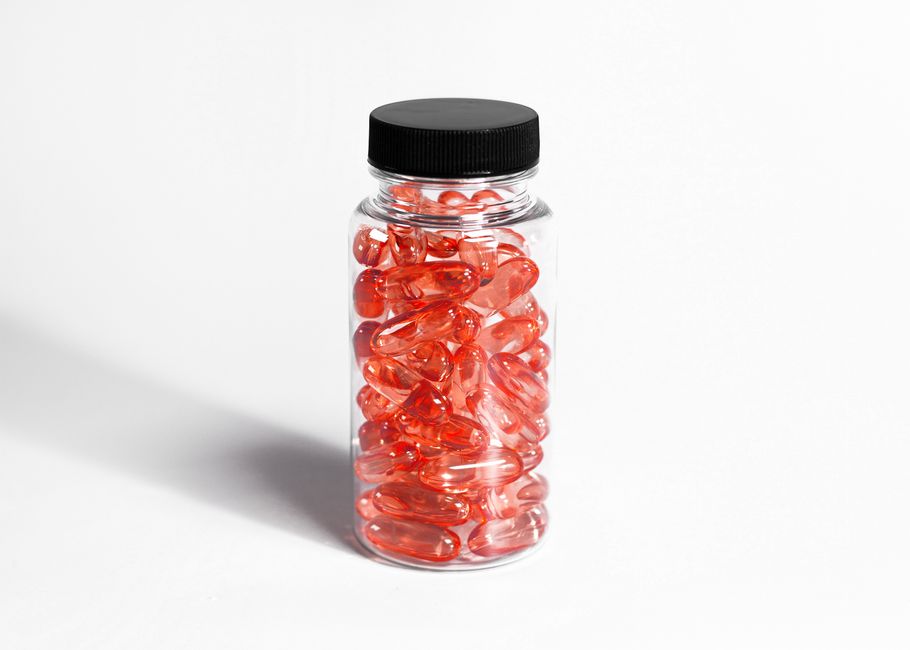
Worth keeping in mind: where fish is not eaten, a supplement is a reasonable substitute, and algae-based products offer the same long-chain fats without the fish. Freshness counts more than with most supplements, because these fats oxidise; a strongly rancid smell on opening is a reason to return the bottle rather than to persevere.
It helps to focus on what you can realistically do most days, rather than an ideal you can only manage occasionally.
Practical tips
In everyday terms, this can look like:
- Aim for good enough on busy days instead of skipping entirely.
- Give any change a few weeks before judging whether it is helping.
- Start small and stay consistent rather than aiming for a dramatic change.
- Ask for a little support from someone around you when you can.
The bottom line
Take it one small step at a time. The best approach is the one you can keep going with. Start where you are and build slowly from there.
Frequently asked questions
Is this relevant if I'm just starting out?
Yes. You can begin with one small change and build from there. With omega-3 and what the evidence supports, steady progress beats trying to do everything at once.
Is this suitable for busy people?
Yes. Most of the ideas here fold into things you already do each day, so they take little extra time.
Do I need special equipment or money?
No. Most of what helps is free or low-cost, and the simplest options are usually the ones people stick with.
What is the single most important thing to focus on?
Consistency. A modest routine you actually keep beats an ambitious plan you abandon after a week.